
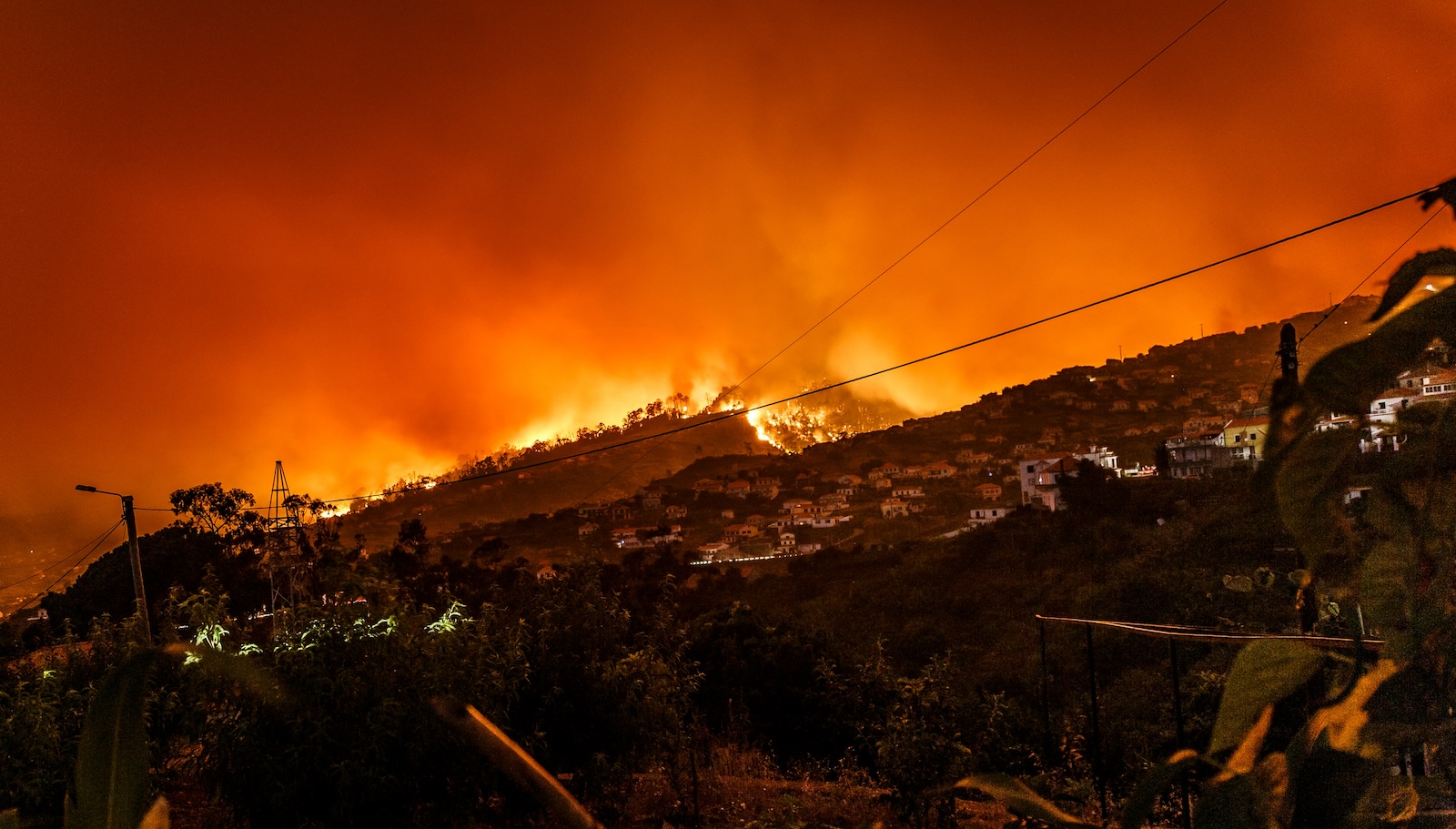
The Beiras and Serra da Estrela sub-regional command area will have 811 operational personnel permanently available during the peak summer wildfire period, according to the special rural fire response plan released this week.
The figures form part of Portugal’s annual “Dispositivo Especial de Combate a Incêndios Rurais” (DECIR), the national wildfire response system coordinated by the National Emergency and Civil Protection Authority (ANEPC).
For residents across Beira Baixa and the wider Centro region, the announcement is a reminder that wildfire risk remains one of the area’s defining challenges as Portugal heads into another hot and dry summer.
What Resources Will Be Available?
According to the operational plan, the Beiras and Serra da Estrela region will have:
-
811 operational personnel
-
183 response vehicles
-
Multiple aerial firefighting resources
-
Permanent readiness throughout the most critical summer phase
The reinforcement forms part of the national “Delta Phase”, traditionally the period with the highest wildfire risk, running through the peak summer months.
The operational resources include firefighters, GNR units, sapadores florestais, civil protection teams and specialised rural fire response personnel.
The Centro region historically records some of Portugal’s most severe wildfire activity due to its combination of mountainous terrain, forest density, abandoned land and increasingly extreme summer temperatures.
Why This Matters for the Region
For many communities across the Beiras, wildfire preparedness is no longer viewed as seasonal news but as a central part of regional life.
Large fires over the past two decades have left lasting social, economic and environmental scars across multiple municipalities including Covilhã, Fundão, Manteigas, Gouveia, Seia, Castelo Branco and Proença-a-Nova.
The Serra da Estrela fires of 2022 remain particularly significant in public memory after more than 22,000 hectares burned inside Portugal’s only natural park.
Climate experts continue to warn that southern Europe is likely to face:
-
Longer fire seasons
-
More intense heatwaves
-
Faster fire spread
-
Increased pressure on emergency resources
-
Greater difficulty controlling large rural fires
As a result, firefighting readiness and prevention capacity have become politically sensitive topics across inland Portugal.
Concerns Beyond Emergency Response
Although operational numbers are important, many experts and local residents argue that firefighting resources alone cannot solve the underlying problem.
Debates continue across the Centro region around:
-
Forest management
-
Rural abandonment
-
Eucalyptus expansion
-
Lack of land cleaning
-
Ageing rural populations
-
Water availability
-
Climate adaptation strategies
Several municipalities have increasingly focused on prevention measures, fuel management and landscape planning in an attempt to reduce the scale of future fires rather than relying solely on emergency response.
Environmental groups have also warned that repeated severe fires are permanently changing ecosystems across Serra da Estrela and neighbouring mountain areas.
Pressure on Firefighters Remains High
The announcement also highlights the growing pressure placed on firefighters and emergency responders during summer months.
Volunteer fire brigades continue to form the backbone of Portugal’s rural fire response system, especially in low-density interior regions where professional emergency infrastructure is more limited.
However, concerns remain nationally about:
-
Volunteer recruitment difficulties
-
Ageing operational personnel
-
Physical exhaustion during prolonged fire periods
-
Funding pressures on local brigades
Despite these challenges, emergency authorities say the 2026 operational plan represents one of the strongest summer preparedness deployments ever organised for the region.
A Summer That Many Will Watch Closely
After another winter and spring marked by periods of drought and unusually high temperatures, many residents across Beira Baixa and Serra da Estrela are already approaching summer with concern.
The combination of climate conditions, forest structure and depopulated rural landscapes means the region remains particularly vulnerable to major rural fires.
For local communities, the 811 operational personnel now entering permanent readiness represent not just emergency resources, but a critical line of protection for villages, landscapes, businesses and lives across the interior.
Sources
- https://www.ointerior.pt/regiao/beiras-e-serra-da-estrela-com-811-operacionais-em-permanencia-no-pico-do-verao/
- https://prociv.gov.pt/pt/decir-dispositivo-especial-de-combate-a-incendios-rurais/
- https://www.icnf.pt/florestas/gfr/gfrgestaodefogorural
- https://pt.euronews.com/2026/05/20/tempestades-criaram-terreno-fertil-para-fogos-como-vai-portugal-enfrentar-um-verao-terrive