Whether you have just arrived, are thinking of moving here or have lived in the region for years, this page is a friendly starting point: a short introduction to Beira Baixa, what Beira Buzz can do for you, and answers to the practical questions we hear most often.
The Beira Baixa region
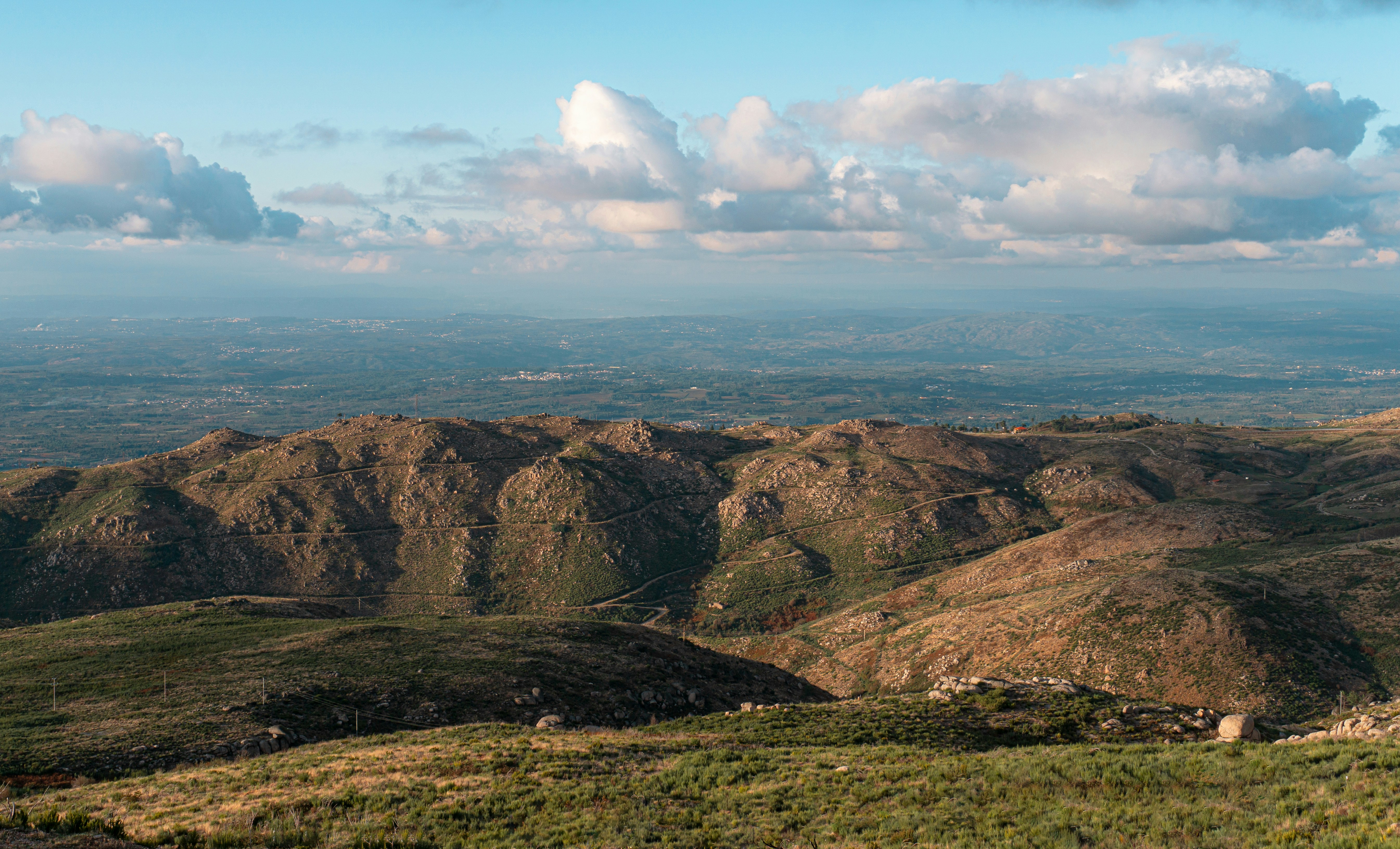
Beira Baixa is the traditional name for this part of inland central Portugal, stretching from the slopes of the Serra da Estrela down to the river Tejo (Tagus) and east to the Spanish border. It is a region of granite villages, olive groves, cork and holm oaks, pine-covered hills and wide, quiet skies. Life here moves at its own pace, and that is a large part of its charm.
The concelhos we cover
Portugal is divided into districts, concelhos (municipalities, each with its own câmara municipal, or town council) and freguesias (parishes). Beira Buzz covers thirteen concelhos:
- In the district of Castelo Branco: Belmonte, Castelo Branco, Covilhã, Fundão, Idanha-a-Nova, Oleiros, Penamacor, Proença-a-Nova, Sertã, Vila de Rei and Vila Velha de Ródão
- In the district of Coimbra: Pampilhosa da Serra
- In the district of Santarém: Mação
Castelo Branco is the district capital and the largest town. Covilhã and Fundão are the other main towns, and everywhere else you will find small market towns surrounded by villages, some with only a handful of year-round residents.
Geography
The north of the region is mountainous. Covilhã sits on the eastern slopes of the Serra da Estrela, the highest mountain range in mainland Portugal, and between the Estrela and the Serra da Gardunha lies the Cova da Beira, a fertile valley known for its fruit, especially the cherries of Fundão.
To the south and east the land opens out into rolling plains and low hills around Castelo Branco and Idanha-a-Nova, reaching the Spanish border near Penamacor and Idanha-a-Nova. Here you will find the hilltop village of Monsanto and the Serra da Malcata nature reserve, home to efforts to protect the Iberian lynx.
The west, around Oleiros, Sertã, Proença-a-Nova, Vila de Rei, Mação and Pampilhosa da Serra, is a landscape of steep, wooded hills, deep river valleys and schist villages. Rivers such as the Zêzere and the Ocreza cut through it, and in summer many villages have a river beach (praia fluvial) for swimming. In the south, the Tejo runs through the dramatic Portas de Ródão gorge near Vila Velha de Ródão.
Climate
Beira Baixa has a strongly seasonal, continental-influenced climate:
- Summers are long, hot and dry, and heatwaves are common. Summer is also fire season, so it is worth keeping an eye on the daily fire risk (see fire season below).
- Winters are cool to cold, with frosty mornings, fog in the valleys and most of the year's rain. Snow is common on the high Serra da Estrela and occasional on other high ground.
- Spring and autumn are, for many people, the loveliest times of year: green hills and wild flowers in spring, and warm days, harvests and chestnuts in autumn.
Old stone houses can feel colder indoors than out in winter, so if you are moving here, think about heating before your first January. For today's forecast and any weather warnings, see the Today page.
About Beira Buzz
Beira Buzz is a bilingual, English and Portuguese, community information site for Beira Baixa. We bring together the everyday information that is otherwise scattered across council websites, social media groups, noticeboards and word of mouth, so that residents, newcomers and visitors can find what they need in one place.
On the site you will find:
- Today: what is happening across the region right now, including the weather, fire risk, fuel prices, the next public holiday and events this weekend.
- Directory: local businesses, from builders and cafés to vets and accountants, organised by category.
- Events: festas, markets, concerts, walks and community gatherings.
- News: local stories and features from around the region.
- Essentials: practical, map-based information, starting with EV chargers.
- Resources: a curated list of useful links to public services, health, tax, transport and more.
- Newsletter: a regular email so you do not miss anything.
Local businesses can list themselves for free, with optional paid plans for extra features (see pricing). If something is missing, out of date or wrong, or you have an idea for the site, please get in touch. Beira Buzz gets better with every contribution.
Frequently asked questions
These answers are general guidance about how things usually work in rural Portugal. Opening hours, rules and services change, so always check with the business or service concerned before you travel.
How do pharmacies work, and where can I find one at night?
Pharmacies (farmácias) are marked with a green cross and are usually open during normal shop hours on weekdays, often with shorter hours on Saturdays. Pharmacists are well trained and are a good first stop for advice on minor ailments.
Outside normal hours, pharmacies take turns to stay open on a rota. The pharmacy on duty is called the farmácia de serviço, and the current rota is posted on the door or window of every pharmacy and is usually published online too. In smaller places the pharmacy on duty may be in a neighbouring town, and at night you may need to ring a bell and be served through a hatch.
Prescriptions from Portuguese doctors are usually electronic: you receive a code by text message or on a printed guide, and any pharmacy can dispense from it. Bring your medicines and prescriptions with you if you are visiting from abroad.
Where do I go if I am unwell?
For anything life-threatening, call 112, the European emergency number.
For health problems that are not an emergency, SNS 24, the national health service's advice line and website, can assess your symptoms and tell you where to go. You can find it at sns24.gov.pt.
Day-to-day care is provided by your local centro de saúde (health centre) or unidade de saúde familiar (family health unit). Residents register with their local centre using their número de utente (national health number), which you can request at the health centre. Opening hours vary and smaller extensions in villages may only open on certain days, so check before you go.
The region's main hospitals with emergency departments are in Castelo Branco and Covilhã. If you live near the edge of the region, the nearest hospital may be outside it, so it is worth finding out which one serves you before you ever need it.
Why does everything close at lunchtime?
Lunch is the main meal of the day in Portugal and it is taken seriously. Many small shops, village cafés, post offices and local services close for lunch, often from around 13:00 until 14:30 or 15:00, although times vary from place to place.
Supermarkets and larger shops usually stay open all day. Restaurants serve lunch from around midday, and many offer a good-value prato do dia (dish of the day) or menu do dia. It is best to plan errands for the morning or mid-afternoon, and to arrive for lunch before the kitchen closes.
What is open on Sundays and public holidays?
Sundays are quiet, especially in villages. As a rule of thumb:
- Usually open: cafés, many restaurants (particularly at lunchtime), larger supermarkets, petrol stations on main roads and the pharmacy on duty.
- Often closed: small shops, village grocers (some open on Sunday mornings only), banks, post offices, council offices and most other public services.
Many restaurants close one day a week, and it is not always Sunday, so check before you set off. Public holidays follow a similar pattern. As well as national holidays, each concelho has its own municipal holiday, when local services close. The Today page shows the next holiday coming up.
How do local markets work?
There are two main kinds of market. The mercado municipal is a covered market in town, open in the mornings on several days a week, selling fruit, vegetables, meat, fish, bread and cheese. The feira is a larger outdoor market held on a set day, weekly or monthly depending on the town, with everything from seasonal produce and plants to clothes, tools and household goods.
A few tips: go early for the best choice, bring cash and your own bags, and buy what is in season. Local specialities worth looking out for include Beira Baixa cheeses, olive oil, honey, cherries in early summer and chestnuts in autumn. Markets and fairs are listed on our Events page when we know about them.
Why do some villages feel so empty?
Over several decades many people left the interior of Portugal to work in the cities, on the coast or abroad, especially in France and other European countries. As a result, many villages have small, older populations, and a lot of houses are only lived in for part of the year.
Houses that look empty are rarely abandoned, and they usually still belong to a family. Villages often come back to life in summer, especially in August, when emigrant families return and many villages hold their annual festa. Newcomers are generally made very welcome: a simple "bom dia" or "boa tarde" goes a long way.
What should I know about driving here?
A car is almost essential in rural Beira Baixa, as public transport between villages is limited. A few things worth knowing:
- Tolls: Portugal does not use a vignette. Some motorways charge tolls, and many use electronic-only tolling with no booths, so you need a Via Verde transponder or another way to pay. Toll rules for inland motorways have changed in recent years, so check the current position for your route.
- Speed limits: for cars, the standard limits are 50 km/h in towns, 90 km/h on other roads and 120 km/h on motorways, unless signs say otherwise.
- Fuel: petrol stations are called bombas de gasolina. Diesel is gasóleo and unleaded petrol is gasolina. Rural stations may close in the evening and on Sundays, so fill up before heading into the hills. Near the border, fuel is often cheaper in Spain. See today's local prices on the Today page, and find chargers on the EV charger map.
- Rural roads: expect narrow, winding roads with few verges, tractors, cyclists, walkers and livestock. Wild boar and deer are common, especially at dawn and dusk. In winter, watch out for fog, ice and, on the Serra da Estrela, snow and occasional road closures.
Always carry your driving licence, vehicle documents and proof of insurance, and keep a warning triangle and a reflective vest in the car.
What do I need to know about fire season?
Rural fires are a real risk in summer and early autumn. The official fire risk level changes daily, and on high-risk days strict rules apply to lighting fires, burning garden waste and using some machinery outdoors. Check the current fire risk on the Today page every day during the season.
Burning garden waste or stubble normally needs to be registered or authorised in advance, and is banned when the risk is high. Landowners also have a legal duty to clear vegetation around buildings. Your câmara municipal can tell you the rules that apply to your land. If you see a fire, call 112 straight away.
How do I add my business or an event to Beira Buzz?
Create a free account, and from your dashboard you can add a business listing or submit an event. Every submission is checked by our team before it goes live. If your business is already listed, you can claim it from its page. For more details, see our pricing page or contact us.