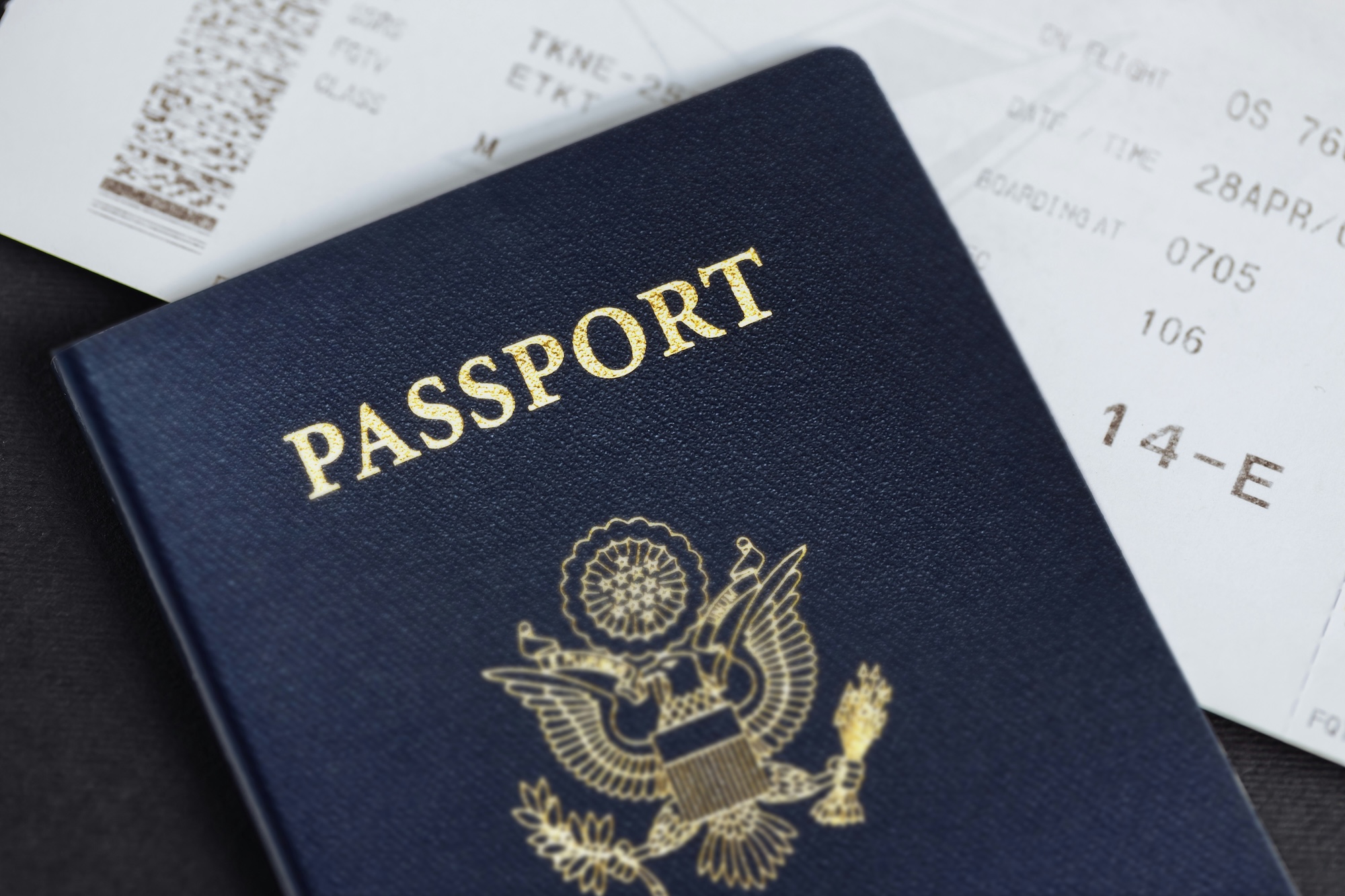
Covilhã has approved a new Municipal Migrant Integration Plan, establishing a local strategy to support the growing number of people from other countries choosing to live, work and study in the municipality.
The plan was unanimously approved by the municipal executive on 4 September and aims to improve the social and cultural integration of migrant communities while helping newcomers become part of the wider community.
The initiative comes during a period of significant demographic change in Covilhã. The municipality's population reached 51,045 residents in 2025, an increase of around 7.3% since 2021, with migration playing a decisive role in that growth.
Migration Is Changing Covilhã's Demographics
Like much of Portugal's interior, Covilhã has historically faced the challenges of an ageing population, low birth rates and population decline.
Recent figures, however, show a notable change.
Between 2021 and 2025, Covilhã gained approximately 3,460 residents. During that period, the municipality recorded a natural population balance of -1,435, meaning deaths continued to outnumber births.
That decline was more than offset by a positive migration balance of 4,895 people.
The figures illustrate how migration has become an increasingly important factor in maintaining and growing the population of the municipality.
AIMA's 2024 Migration and Asylum Report recorded 5,324 foreign residents in Covilhã, one of the largest foreign populations in the district of Castelo Branco.
A Strategy for Integration
According to Mayor Hélio Fazendeiro, the new plan represents a commitment by the municipality to properly welcome the communities and individuals choosing Covilhã as their home.
The objective is to facilitate integration across different areas of community life, including social and cultural participation, while maintaining what the municipality describes as a balance with Covilhã's existing local identity.
The plan received support from across the political spectrum in the municipal executive.
Representatives of the opposition also highlighted Covilhã's increasing cultural diversity and the importance of having a structured approach to integration.
UBI Plays an Important Role
The University of Beira Interior (UBI) is one of the factors contributing to Covilhã's increasingly international population.
The university attracts students, researchers and teaching staff from numerous countries, bringing people to the city who may remain for several years or eventually establish their lives in the region.
This international community adds another dimension to migration in Covilhã, alongside people arriving for employment, family reasons or to establish businesses.
Local Migrant Services Have Already Expanded
The integration plan follows other measures introduced in recent years.
In January 2025, an AIMA service centre opened in Covilhã's Municipal Market, providing local access to immigration and residency-related public services.
The centre operates through a partnership between AIMA and the Municipality of Covilhã, with the council providing the premises and staff.
Covilhã also has a Local Support Centre for Migrant Integration (CLAIM), providing information and assistance in areas including documentation, employment, healthcare and integration.
The new municipal plan therefore builds on an infrastructure for migrant support that is already developing within the city.
Part of a Wider Change Across Beira Baixa
Covilhã is not alone.
Migration is increasingly influencing population trends across Beira Baixa, helping some municipalities compensate for decades of natural population decline.
Castelo Branco, Fundão, Idanha-a-Nova, Penamacor and other municipalities have all experienced growing international communities in recent years.
For interior regions facing ageing populations and labour shortages, attracting new residents can create opportunities for local businesses, schools and public services.
However, population growth also brings challenges, including access to housing, healthcare, education, employment and Portuguese-language support.
Effective integration therefore becomes increasingly important if migration is to translate into long-term population stability rather than simply short-term growth.
A Growing and More International Covilhã
The numbers show that Covilhã is changing.
Migration has already helped reverse recent population decline, while UBI and the local economy continue to attract people from Portugal and abroad.
The challenge now is ensuring that newcomers who choose Covilhã can successfully establish their lives in the municipality and participate in the communities around them.
The new Municipal Migrant Integration Plan represents the latest step in the city's response to that changing demographic reality.
Sources
- https://noticiasdacovilha.pt/covilha-aprova-plano-para-integracao-de-migrantes/
- https://retratos.pordata.pt/populacao/covilha
- https://aima.gov.pt/media/pages/documents/65870eae21-1761164556/populacao-estrangeira-residente-2024_distrito_concelho.pdf
- https://www.cm-covilha.pt/?cix=noticia171219&lang=1
- https://noticiasdacovilha.pt/loja-aima-na-covilha-em-funcionamento/
- https://beirabuzz.pt/articles/immigrants-revive-penamacor-first-population-increase-in-over-50-years