
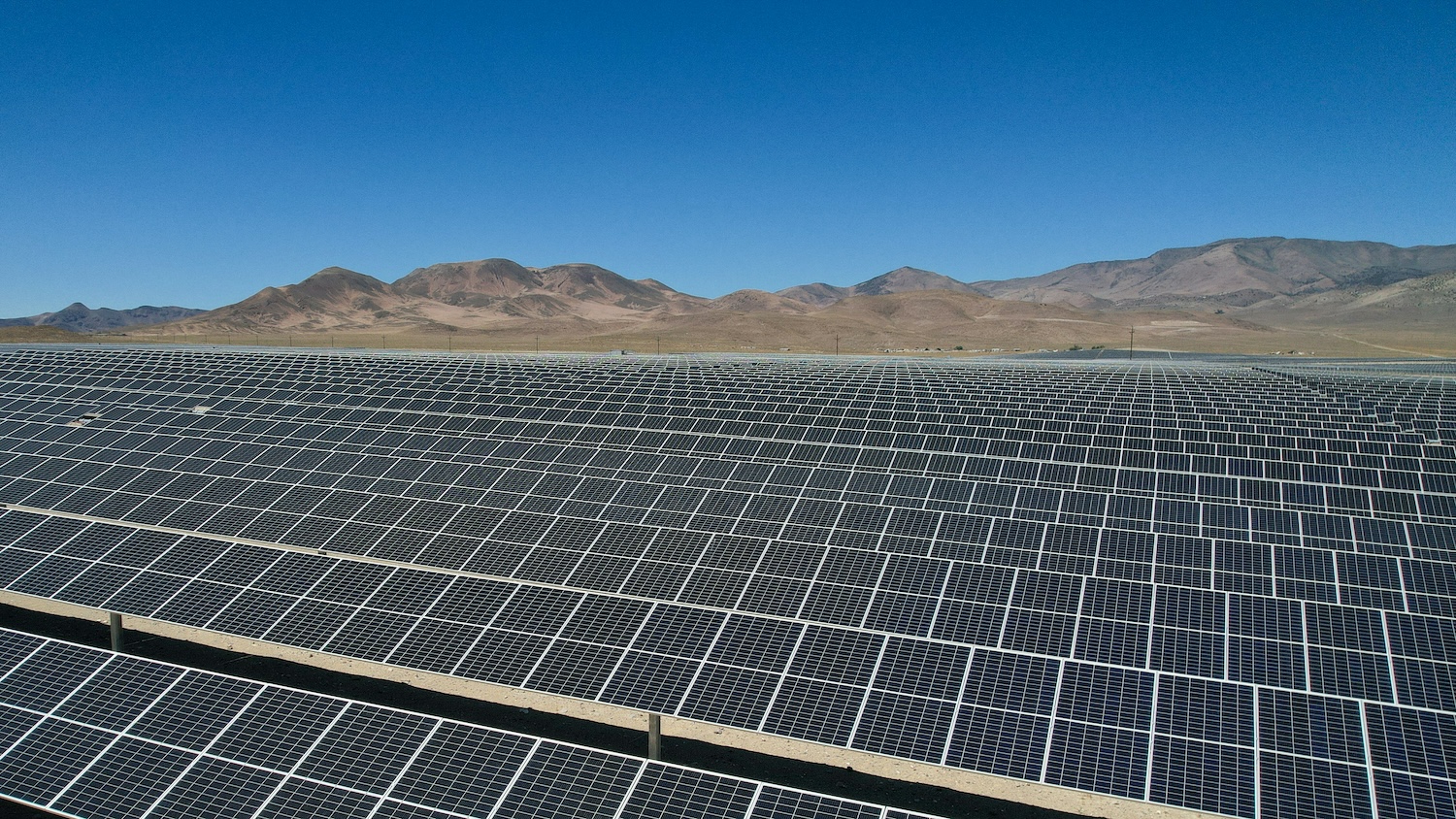
The debate surrounding two proposed mega solar projects in Beira Baixa intensified this week after the Portuguese Environment Agency (APA) finally published long-awaited public consultation and environmental assessment documents relating to the Beira and Sophia photovoltaic plants.
For months, environmental groups, local residents and civic platforms had criticised the lack of transparency surrounding the projects. Now that the reports have been released, many campaigners argue the documents confirm some of the region’s worst fears: significant and potentially irreversible impacts on landscapes, biodiversity, water resources and rural communities across parts of Castelo Branco, Idanha-a-Nova, Penamacor and Fundão.
The publication of the reports is being described by several local movements as one of the most important environmental developments in Beira Baixa this year.
What Are the Beira and Sophia Solar Projects?
The two large-scale photovoltaic developments are among the biggest renewable energy projects ever proposed for the region.
The Sophia project would cover areas across Fundão, Penamacor and Idanha-a-Nova and represents an investment estimated at around €590 million. The Beira project planned the installation of more than 425,000 solar panels across approximately 524 hectares in Castelo Branco and Idanha-a-Nova.
Supporters of the projects argue they could help Portugal meet renewable energy targets, reduce dependence on fossil fuels and bring investment into the interior.
However, critics say the scale of the developments goes far beyond what many people expected when discussions around renewable energy first began in the region.
APA Reports Highlight Serious Environmental Concerns
According to the newly published documents, environmental assessment commissions identified multiple areas of concern, including:
-
Permanent and irreversible landscape impacts
-
Habitat fragmentation and ecological disruption
-
Pressure on water resources
-
Soil degradation
-
Cumulative industrialisation of rural territory
-
Impacts on biodiversity and protected ecosystems
-
Risks linked to associated high-voltage power lines
The reports also reportedly warn about the increasing “artificialisation” of parts of Beira Baixa due to the concentration of large-scale energy infrastructure projects.
For many residents, this language has become one of the most significant aspects of the entire debate. Opponents argue it validates concerns that the region could gradually lose the natural landscapes and environmental quality that increasingly attract tourism, remote workers and new residents.
The Sophia project had already received a negative environmental decision earlier this year due to what the APA described as “significant and very significant negative impacts”.
The Beira project was also reportedly rejected after assessment commissions identified serious ecological and land-use concerns.
Civic Movements Say Public Concerns Were Ignored
Local civic groups say the publication of the reports vindicates months of protests and public criticism.
The Plataforma de Defesa do Parque Natural do Tejo Internacional (PDPNTI) stated that the documents only became public after sustained pressure from citizens, demonstrations and a formal complaint to Portugal’s Commission for Access to Administrative Documents.
Campaigners argue that the reports demonstrate that local opposition was not based on emotion or “anti-renewable” sentiment, but on concerns now reflected in official technical assessments.
One of the strongest themes emerging from the documents is the cumulative impact of multiple energy projects across the wider Beira Baixa landscape. Environmental groups and many public consultation responses called for a full Strategic Environmental Assessment for the entire region rather than analysing projects individually.
That argument is gaining traction locally, especially as more residents question how many large-scale renewable projects the territory can absorb without fundamentally changing its identity.
Record Public Participation
The scale of public involvement has also attracted attention nationally.
According to campaigners, the Sophia consultation process alone received more than 12,600 public submissions — one of the largest levels of participation ever recorded in a Portuguese environmental consultation process.
For many people in the region, that reflects growing concern about how rural interior areas are being used for major national infrastructure and energy projects.
The debate has become increasingly sensitive because many residents support renewable energy in principle while simultaneously fearing that the interior is carrying a disproportionate environmental burden without receiving equivalent long-term economic benefits.
Why This Matters for Beira Baixa
The controversy is about far more than solar panels.
For supporters of the projects, renewable energy investment could bring jobs, infrastructure improvements and economic activity to a region that has struggled for decades with depopulation and economic decline.
For opponents, the risk is that Beira Baixa becomes an industrial energy corridor at the expense of its landscapes, biodiversity, water systems and tourism potential.
The issue also touches on broader questions facing the interior of Portugal:
-
Who decides how rural land is used?
-
How should renewable energy expansion be balanced with environmental protection?
-
What level of local consultation is enough?
-
Should interior regions bear the environmental cost of national energy policy?
With the reports now public, pressure is expected to increase on both national authorities and local municipalities to clarify what happens next.
For now, one thing is certain: the publication of the APA documents has transformed what was already a controversial issue into one of the defining regional debates of 2026.
Sources
-
https://www.beirabaixatv.pt/apa-recua-e-torna-publico-relatorios-mega-centrais-solares-beira-e-sophia
-
https://participa.pt/pt/consulta/a-csf-de-sophia-e-as-lmat-associadas
-
https://jornalptgreen.pt/noticia/relatorios-confirmam-impactos-irreversiveis-na-paisagem-das-centrais-solares-sophia-e-beira/
-
https://www.diariodigitalcastelobranco.pt
-
https://apambiente.pt