
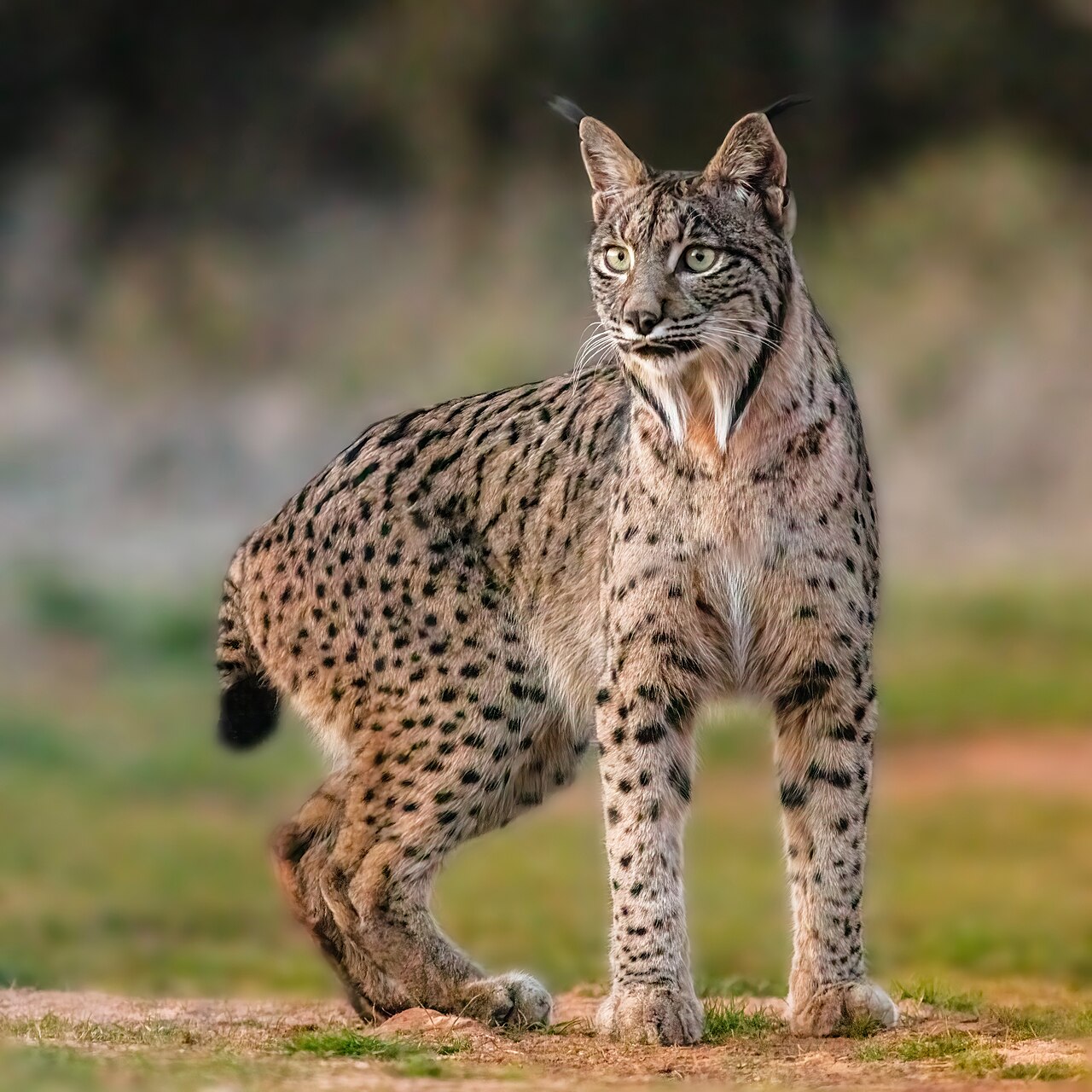
Plans to reintroduce the Iberian lynx into the Serra da Malcata Nature Reserve are moving forward, in what could become one of Portugal’s most important wildlife conservation projects in recent years.
The project was highlighted during an official visit to the reserve by Portugal’s Secretary of State for Forests and Rural Development, with environmental authorities confirming that work is now underway to prepare the area for the species’ return.
A Historic Home for the Lynx
Serra da Malcata, located near Penamacor and Sabugal, was originally designated as a protected reserve in 1981 specifically because of the Iberian lynx population that once lived there.
Over time, habitat loss, declining rabbit populations, and human pressures led to the disappearance of the species from the region. However, conservation programmes in both Portugal and Spain have helped the lynx recover significantly over the past two decades.
The latest plans aim to restore suitable habitat conditions and ensure stable prey populations before any future reintroductions take place.
Environmental and Tourism Potential
Conservation groups believe the return of the Iberian lynx could also bring wider benefits to the Beira Interior region, including:
-
Increased eco-tourism
-
Greater environmental awareness
-
Educational and scientific opportunities
-
International visibility for the region
-
New investment linked to sustainable tourism
The Serra da Malcata reserve already attracts visitors interested in wildlife, walking trails, and birdwatching, and officials hope the lynx project could further strengthen that appeal.
One of Europe’s Conservation Success Stories
The Iberian lynx was once considered the world’s most endangered wild cat, with fewer than 100 animals remaining in the early 2000s.
Today, thanks to breeding programmes, habitat restoration, and cooperation between Portugal and Spain, populations have increased substantially across parts of the Iberian Peninsula.
The planned return to Serra da Malcata would mark a symbolic moment for Portuguese conservation, reconnecting the species with one of its historic habitats.