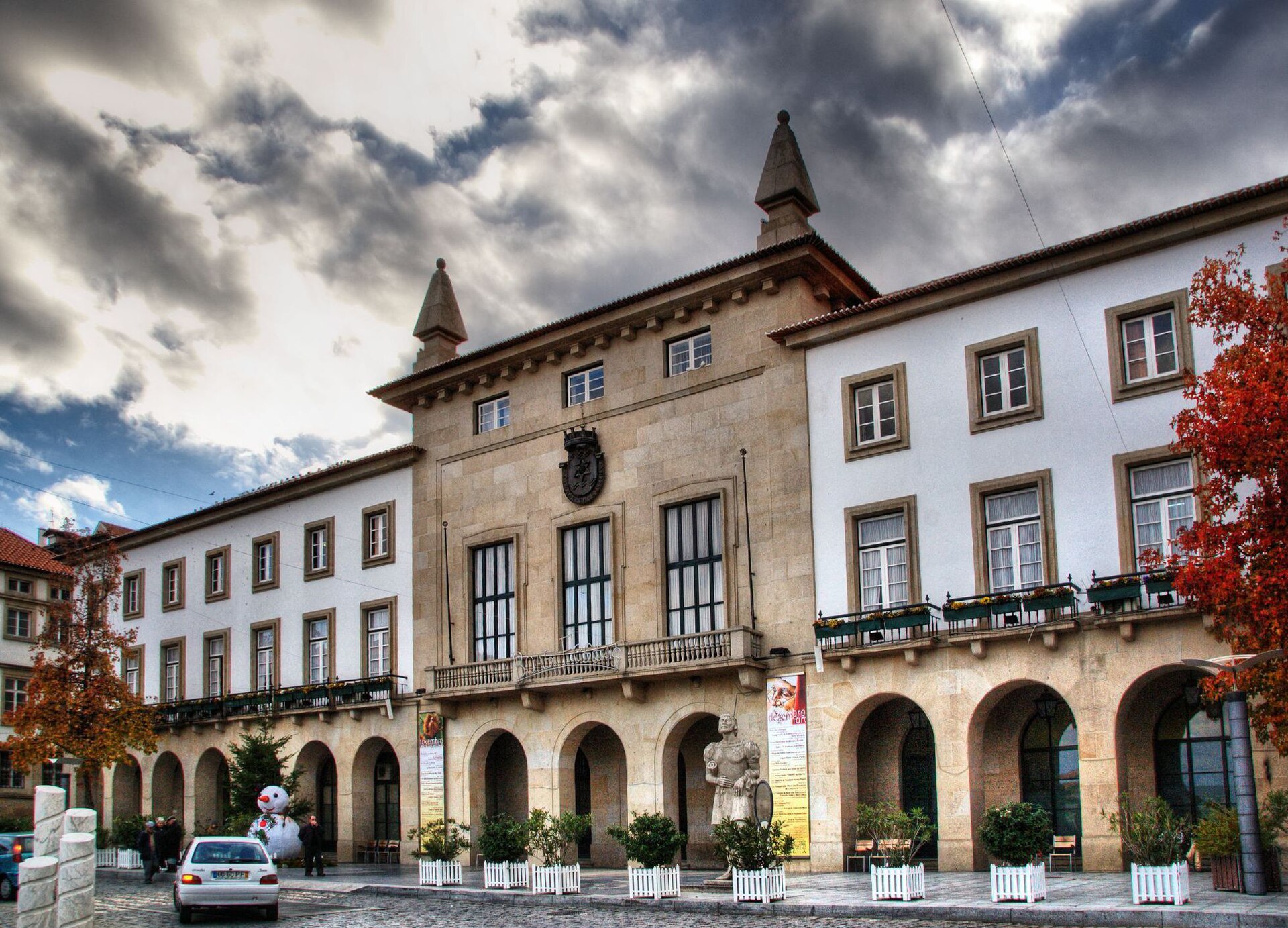
The city of Covilhã is preparing an official bid to become the Portuguese Capital of Culture in 2028, a move that local leaders believe could bring long-term cultural, economic, and social benefits to the municipality and the wider Beira Interior region.
The announcement was made following a recent municipal executive meeting, after councillor Eduardo Cavaco presented a proposal encouraging the municipality to apply for the national title. According to local officials, the initiative is seen as much more than simply organising cultural events — it is being framed as a strategic opportunity for regional transformation.
The national competition for the 2028 title was recently opened by the Portuguese Government and includes funding of one million euros for the winning city.
More Than Just Events
Supporters of the bid say the goal would be to strengthen Covilhã’s cultural identity while also encouraging tourism, investment, and community involvement.
Covilhã already has a strong cultural base, with institutions and projects such as:
-
Teatro das Beiras
-
WOOL urban art festival
-
University of Beira Interior cultural initiatives
-
EPABI music school and orchestra
-
Local museums and heritage sites linked to the textile industry
The city also benefits from its location in Serra da Estrela, giving it a unique mix of mountain tourism, industrial heritage, and contemporary culture.
A Growing Cultural Ambition
In recent years, Covilhã has increasingly positioned itself as a cultural and creative centre in inland Portugal. The reopening of Teatro Municipal da Covilhã, continued investment in festivals and public events, and efforts to attract visitors year-round have all contributed to that ambition.
The Portuguese Capital of Culture initiative is designed to support cities that can demonstrate a long-term cultural strategy and leave a lasting legacy for residents and visitors alike.
The winning municipality for 2028 will be announced in December 2026.
For the Beira Interior region, a successful bid could bring increased national attention, tourism opportunities, and additional investment into local culture and infrastructure.