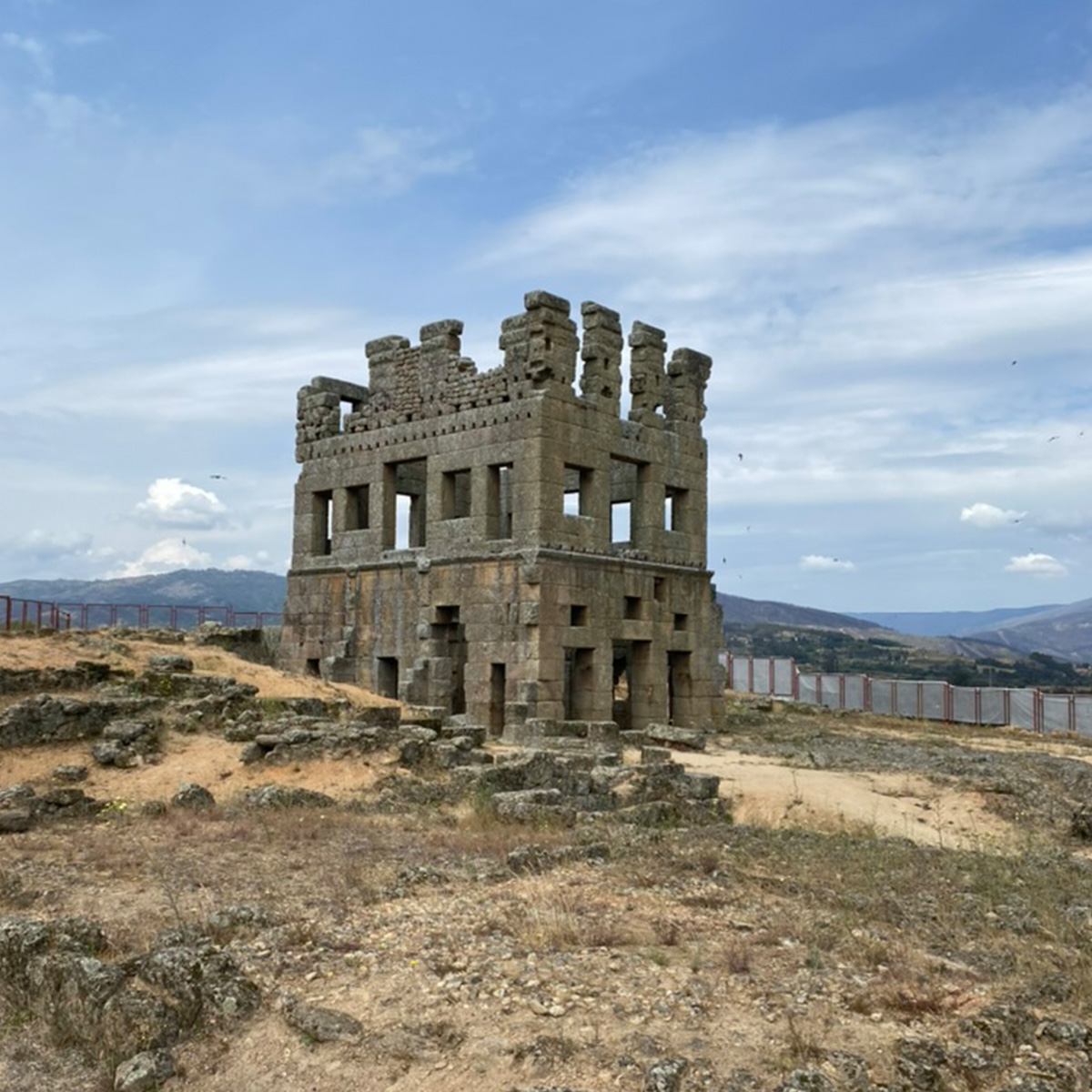
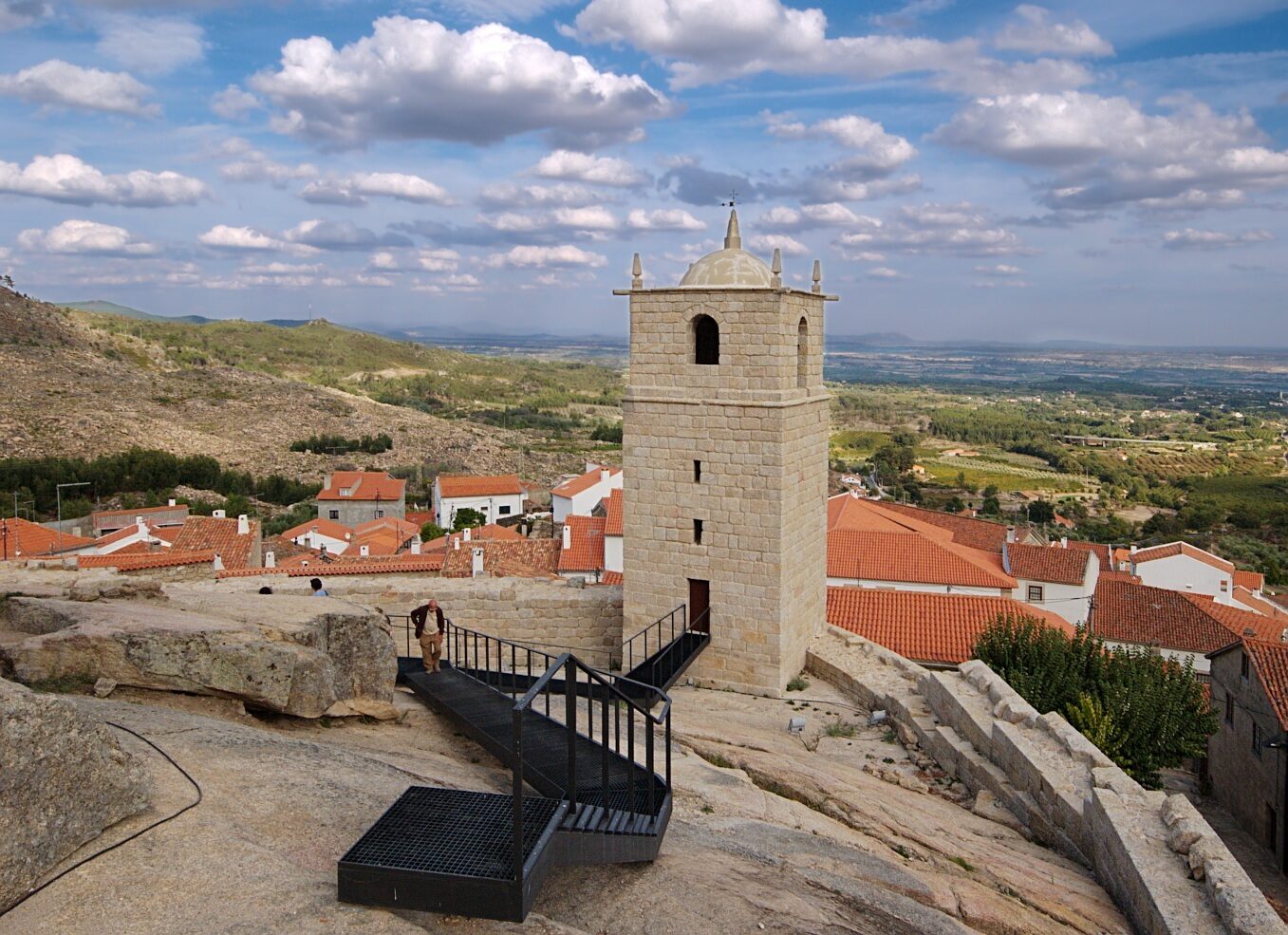
Fundão council plans to begin collaboration between its municipal museum and the Universidade de Valladolid as part of its ongoing work to safeguard the Roman archaeological site at Quinta do Ervedal, in Castelo Novo.
The announcement follows a technical visit on 4 September 2026, when specialists in the restoration and conservation of historic buildings examined both Ervedal and the heritage of Castelo Novo, according to the council.
International expertise
The visit formed part of the international workshop “ICADA – Idanha-a-Velha: projetar a partir da história”.
Information published by the Faculdade de Arquitetura da Universidade do Porto confirms that the workshop brought together institutions from Portugal, Spain and Italy. Its academic partners were the Porto faculty, the Universidade de Valladolid and the Università degli Studi Roma Tre.
Idanha-a-Nova council separately confirms that the workshop took place from 30 August to 6 September, bringing together 26 participants to examine architecture, archaeology and the preservation of historic settlements.
According to O Interior, Valladolid specialists expressed interest in future projects at Ervedal. Workshop coordinator Pedro Alarcão also highlighted the site’s importance and the value of connecting it with architectural conservation work at other archaeological sites.
A significant part of local Roman heritage
Ervedal has been systematically excavated since 2007. The national heritage register records its classification as a Sítio de Interesse Público in March 2023.
Located at the southern foot of the Serra da Gardunha, the site preserves evidence of a settlement occupied from the early first century AD into the sixth or seventh century.
The heritage record describes two bathing complexes, interpreted as private and public facilities, together with mosaic floors and evidence of metalworking. These remains offer insights into everyday life, bathing and craft production in the region’s past.
The council says the planned university collaboration will operate through an existing agreement. Its announcement does not identify specific restoration works or a delivery timetable, so the development should be understood as a planned next stage in the site’s conservation.